

Shipping Heavy Machinery from South Africa to India: What Exporters Need to Know
From mining equipment and industrial machinery to oversized engineering components, shipping heavy cargo to India requires more than booking space on a vessel.
South Africa has a well-established industrial and mining equipment sector, with manufacturers, engineering companies and equipment suppliers serving international markets.
India is an important destination for South African industrial exports. But moving a 25-tonne machine, an oversized excavator or a large piece of processing equipment requires a different approach from conventional container shipping.
The challenge isn’t simply getting the cargo onto a ship. It’s choosing the right shipping method, arranging suitable transport to the port, planning the lifting and securing requirements, and ensuring that everything is ready when the vessel arrives.
Here’s what South African exporters should consider when planning a heavy machinery shipment to India.
1. Choosing the Right Shipping Method
Not all heavy machinery needs to move as breakbulk cargo.
Depending on the equipment’s dimensions, weight and configuration, several shipping methods may be available.
Breakbulk Shipping
Breakbulk shipping involves transporting cargo as individual pieces or units rather than inside standard containers.
This can be particularly suitable for:
- Large industrial machinery
- Mining and processing equipment
- Heavy engineering assemblies
- Generators and transformers
- Oversized construction machinery
- Equipment that cannot be accommodated on conventional container equipment
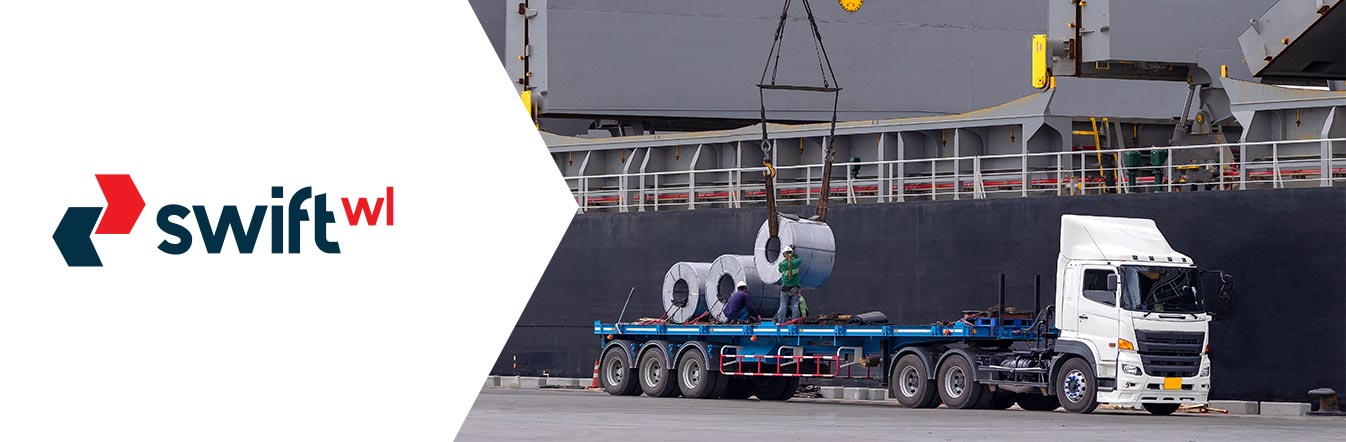
Breakbulk cargo may be loaded onto multipurpose or conventional cargo vessels using the ship’s cranes or suitable shore-based lifting equipment.
The main advantage is flexibility. Equipment can be shipped without having to fit within standard container dimensions.
However, vessel availability, lifting requirements and port handling arrangements must all be considered.
Flat-Rack Shipping
A flat-rack is a specialised shipping container with an open top and sides, allowing cargo to extend beyond the normal dimensions of a container.
Flat-racks can be an excellent option for machinery that is too wide or too tall for a standard container but remains within the carrier’s acceptable weight and dimensional limits.
They may also provide access to established container shipping services.
However, the cost of securing the machinery, abnormal dimensions and the availability of suitable equipment must be taken into account.
RoRo Shipping
Roll-on/Roll-off (RoRo) shipping may be suitable for machinery that can be driven or towed onto a vessel, or moved using suitable handling equipment.
Examples include certain construction vehicles, mining support vehicles and mobile industrial equipment.
RoRo can reduce the need for some lifting operations, although vessel suitability, access dimensions and the availability of services on the intended route need to be confirmed.
The best shipping solution is not necessarily the most obvious one. A machine may be suitable for more than one transport method, and the total cost should be compared before making a decision.
2. Planning the Journey to Durban
For many machinery exports, getting the equipment to Durban is one of the most important parts of the project.
A machine located at a factory or mine in Gauteng, Mpumalanga or the Northern Cape may require specialised road transport before it can be loaded onto a vessel.
The following factors need to be assessed:
Dimensions and weight: The overall length, width, height and transport weight determine which vehicles and trailers may be suitable.
Loading arrangements: Can the equipment drive onto the trailer, or will cranes and rigging equipment be required?
Road restrictions: Oversized or overweight cargo may require abnormal-load permits, route surveys, escorts or other arrangements.
Site access: Factory gates, overhead obstructions, turning space and the condition of loading areas can influence transport planning.
Port delivery: The equipment needs to arrive at the correct terminal or receiving facility within the agreed receiving window.
Swift Worldwide Logistics can coordinate inland transport and specialised collection arrangements as part of an integrated export shipment.
3. Preparing Heavy Machinery for Export
Machinery needs to be prepared for both road transport and the conditions encountered during a sea voyage.
Unlike equipment travelling inside a closed container, machinery transported as breakbulk may be exposed to the marine environment.
Important preparation steps include:
Confirm Accurate Cargo Dimensions
Measure the equipment in its intended shipping configuration, including any attachments, protrusions and transport frames.
If components are removed for shipping, each separate package should be measured and recorded.
Establish the Weight and Centre of Gravity
Accurate weights are essential for selecting lifting equipment, planning transport and developing safe cargo-handling arrangements.
The centre of gravity is particularly important for machinery with an uneven weight distribution.
Identify Suitable Lifting and Securing Points
Lifting points, lifting diagrams and securing arrangements should be established before the cargo is presented for loading.
Heavy machinery should not be lifted or secured using components that were not designed for those loads.
Protect Sensitive Components
Exposed electrical systems, instrumentation, hydraulic connections and sensitive surfaces may require additional protection.
The appropriate measures will depend on the equipment and the intended shipping method.
Check Fuel, Batteries and Fluids
Machinery containing fuel, batteries or other potentially hazardous materials may be subject to specific carrier and dangerous-goods requirements.
These should be identified early, rather than becoming an unexpected problem at the port.
A shipment that is correctly prepared is easier to quote, easier to handle and less likely to experience avoidable delays.
4. Which Ports in India Should You Consider?
India’s western coast provides access to several major industrial and commercial centres.
Depending on the cargo and shipping arrangements, potential destinations include:
Mundra: A major gateway in Gujarat serving manufacturing and industrial markets.
Kandla / Deendayal Port: An established port serving western and northern India.
Hazira: A port serving the industrial region around Surat and other parts of Gujarat.
Mumbai: A long-established commercial port serving Mumbai and surrounding industrial areas.
The most appropriate destination is not always the port closest to the final delivery address.
Exporters should consider vessel availability, terminal handling capabilities, inland transport costs and any specialised unloading requirements.
For heavy and oversized machinery, confirming the receiving port’s lifting and handling capabilities is especially important.
5. Export Documentation and Customs Requirements
Heavy machinery exports require the appropriate commercial and customs documentation.
Depending on the transaction, this may include:
- Commercial invoice
- Packing list with individual piece weights and dimensions
- Export customs declaration
- Bill of lading or other transport documentation
- Relevant permits or approvals, where applicable
- Machinery specifications, photographs and serial numbers
- Insurance documentation, where applicable
Machinery that is being exported temporarily, returned after repair or sold as used equipment may involve additional considerations.
The Indian importer should also confirm the correct tariff classification, applicable duties, technical requirements and any import restrictions before shipment.
For used machinery, the import requirements should be checked particularly carefully, as they may differ from those applying to new equipment.
Swift’s customs and forwarding teams can assist South African exporters with the export clearance process and coordinate documentation with the relevant parties.
6. What Does It Cost to Ship Heavy Machinery to India?
There is no single freight rate that applies to all heavy machinery shipments.
Two machines with similar weights can have very different shipping costs.
The main factors are:
Dimensions: Cargo that occupies significant vessel space, or cannot be stowed alongside other cargo, may attract higher freight costs.
Weight: Heavy units may require specialised lifting equipment and additional handling.
Shipping method: Breakbulk, flat-rack and RoRo options have different pricing structures.
Collection location: The cost of inland transport from the factory or mine to Durban can be substantial.
Port handling: Lifting, receiving, storage, securing and terminal charges need to be considered.
Destination: The choice of Indian port can influence ocean freight and inland delivery costs.
Timing: Vessel availability and the required shipping date can affect both price and practicality.
For this reason, exporters should compare the total logistics cost rather than ocean freight alone.
A lower sea freight rate may not be the most economical solution if it involves additional transport, handling or delays.
7. What Information Do You Need for a Freight Quotation?
The more accurate the cargo information, the easier it is to identify suitable shipping arrangements and provide a meaningful quotation.
For machinery exports, the following information is particularly useful:
| Information | Details required |
|---|---|
| Cargo description | Machine type, make and model |
| Quantity | Number of units or packages |
| Dimensions | Length × width × height of each shipping unit |
| Weight | Gross weight of each unit |
| Collection point | Factory, warehouse or project site |
| Destination | Preferred Indian port or final delivery location |
| Availability | Cargo-ready date |
| Cargo condition | New, used or refurbished |
| Handling | Lifting points, drawings and special requirements |
| Supporting information | Photographs and equipment specifications |
Exporters should also confirm whether the machine can be dismantled, driven, lifted or otherwise prepared for shipment.
Even a simple photograph showing the machinery and its overall configuration can help identify potential handling challenges.
8. Why Work with Swift Worldwide Logistics?
Shipping heavy machinery involves multiple parties: transporters, riggers, port operators, shipping lines, customs authorities and receiving agents.
Coordinating these activities is often as important as securing the ocean freight itself.
Swift Worldwide Logistics provides freight forwarding, customs clearance, transport and warehousing services from its South African operations.
For heavy machinery exports, we can help coordinate:
- Collection from factories and industrial sites
- Specialised and abnormal-load transport
- Warehousing and cargo receiving
- Export customs clearance
- Port delivery and handling arrangements
- Breakbulk, flat-rack and suitable project cargo shipping options
- Shipment monitoring and operational communication
Our objective is straightforward: find a practical shipping solution, coordinate the details and keep our clients informed throughout the process.
Already Shipping Machinery to India?
If you’re exporting mining equipment, construction machinery or industrial plant to India, your next shipment could be an opportunity to review your freight arrangements.
Whether you’re dealing with oversized equipment, comparing freight options or looking for an alternative logistics provider, Swift would welcome the opportunity to quote.
Big cargo. New opportunities.
Request a Heavy Machinery Freight Quote
Tell us what you’re shipping, where it’s coming from and where it needs to go.
Swift Worldwide Logistics can help you investigate the available shipping options from Durban to India.